All Categories
Featured
Table of Contents
Deloitte highlights a considerable gap in between pilot and production: only 11% of surveyed organizations utilize agents in production, and 35% report no official strategy. Common blockers include legacy integration, data architecture restrictions, and inadequate governance structures. Inference system expenses have fallen dramatically, yet total AI invest increases due to the fact that use scales faster than cost decreases.
The innovation indicated to provide organizations an advantage is becoming the target used against them. AT&T's chief info security officer captured the difficulty: "What we're experiencing today is no various than what we have actually experienced in the past. The only difference with AI is speed and effect." Organizations should protect AI across four domainsdata, models, applications, and infrastructurebut they also have the opportunity to use AI-powered defenses to combat dangers running at device speed.
They don't have all the responses, however there are noticeable patterns as they light the way forward. They lead with problems, not innovation. Broadcom's CIO: "Without focusing on a particular company issue and the value you desire to obtain, it might be simple to invest in AI and get no return."Particularly, their biggest issues.
Western Digital's CIO: "We 'd rather fail quickly on small pilots than miss the wave totally. Walmart included shop partners in constructing its scheduling app, which includes shift switching, schedule exposure, and employee control.
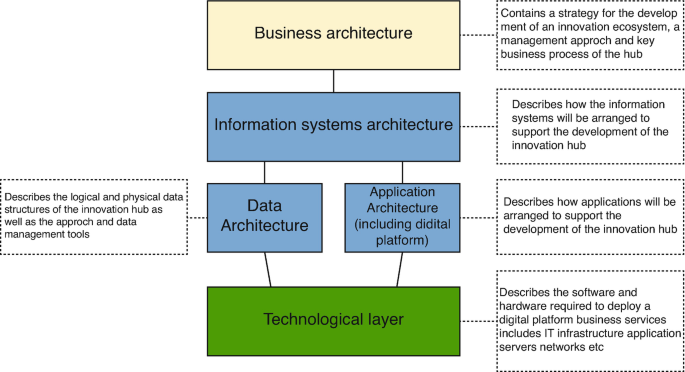
How to Architect High-Performance Innovation Hubs
Coca-Cola's CIO described their journey as moving from "What can we do?" to "What should we do?" That shiftfrom capability-first to need-firstis what separates productive experimentation from pilot purgatory. I have actually tracked technology evolution enough time to acknowledge the patterns. The web altered whatever. Mobile reshaped consumer habits. Cloud computing was transformative.
It's not simply that AI is effective. It's that the S-curves are compressing. The distance between emerging and mainstream is collapsing. Organizations developed for consecutive improvement can't take on those operating in continuous knowing loops. The standard playbook assumed you had time to get it. That assumption no longer holds.
They'll be those with the courage to redesign rather than automate, the discipline to link every investment to organization results, and the speed to execute before the window closes. The space in between laggards and leaders grows significantly.
We hope this year's publication advises you that everyone's facing this fast pace of change, and together, we can form what comes next. Executive editor, Tech Trends.
What as soon as felt like optional upgrades are now the core of how organizations run, contend, and grow. For company leaders, CTOs, and decision-makers, staying notified is no longer simply great practice.
Technical Insights for Modernizing Digital Infrastructure
The ideal technology choices reduce expenses, secure your information, and open new markets. The incorrect ones slow you down or leave you exposed at the worst minute. This guide breaks down the 10 innovation patterns that matter most in 2026, what they mean for your business, and how to act on them.
In 2026, it is doing real work throughout finance, HR, client service, and operations, at business of every size. What AI automation deals with today: Billing processing and approval workflowsData entry, recognition, and reportingCustomer question reactions and routingInventory and supply chain monitoringThe business case is direct. Less manual mistakes, faster turnaround, and teams that can focus on higher-value work instead of recurring tasks.

Every procedure you automate today is a cost you stop paying tomorrow. The cloud is where modern business infrastructure lives. In 2026, companies of all sizes depend on cloud platforms to keep information, run applications, and scale without enormous in advance investment. Key reasons companies are deepening cloud commitments: Pay-for-use pricing keeps overhead lowInstant scaling during demand spikesBuilt-in redundancy protects organization continuityGlobal access supports distributed and remote teamsFor leaders planning global growth, cloud platforms eliminate the barriers that once made expansion slow and expensive.
Ransomware, phishing, and information breaches now cost companies millions, together with something harder to reconstruct: trust. A single occurrence can erase years of reputation. This is precisely why cybersecurity has actually moved from the IT department to the boardroom program. What a security-first method looks like in 2026: Security developed into systems at the style phase, not added laterRegular audits and penetration testingEmployee training on phishing and social engineeringClear incident action prepares tested before they are neededCompliance with data personal privacy regulations such as GDPR and local frameworksNon-compliance carries financial charges and public consequences.

Latest Posts
R&D Centers Versus Traditional Enterprise Models
The Modern Guide for Enterprise Transformation Success
Leading Successful Innovation Labs