All Categories
Featured
Table of Contents
Strengthening security steps is crucial to address operational threats and meet compliance requirements. There's no single blueprint for digital change. Every company faces various difficulties, top priorities, and chances. Effective techniques do share some common characteristics: they're grounded in company goals, flexible enough to evolve with emerging tech, and customized to a company's people, processes, and market.
!? The most efficient methods are developed backward from desired outcomes to the innovations and procedures that can provide them. Your technique might include several focus locations depending on what you're attempting to accomplish:: Simplify processes utilizing automation, cloud migration, and AI-based optimization to decrease costs and improve speed.
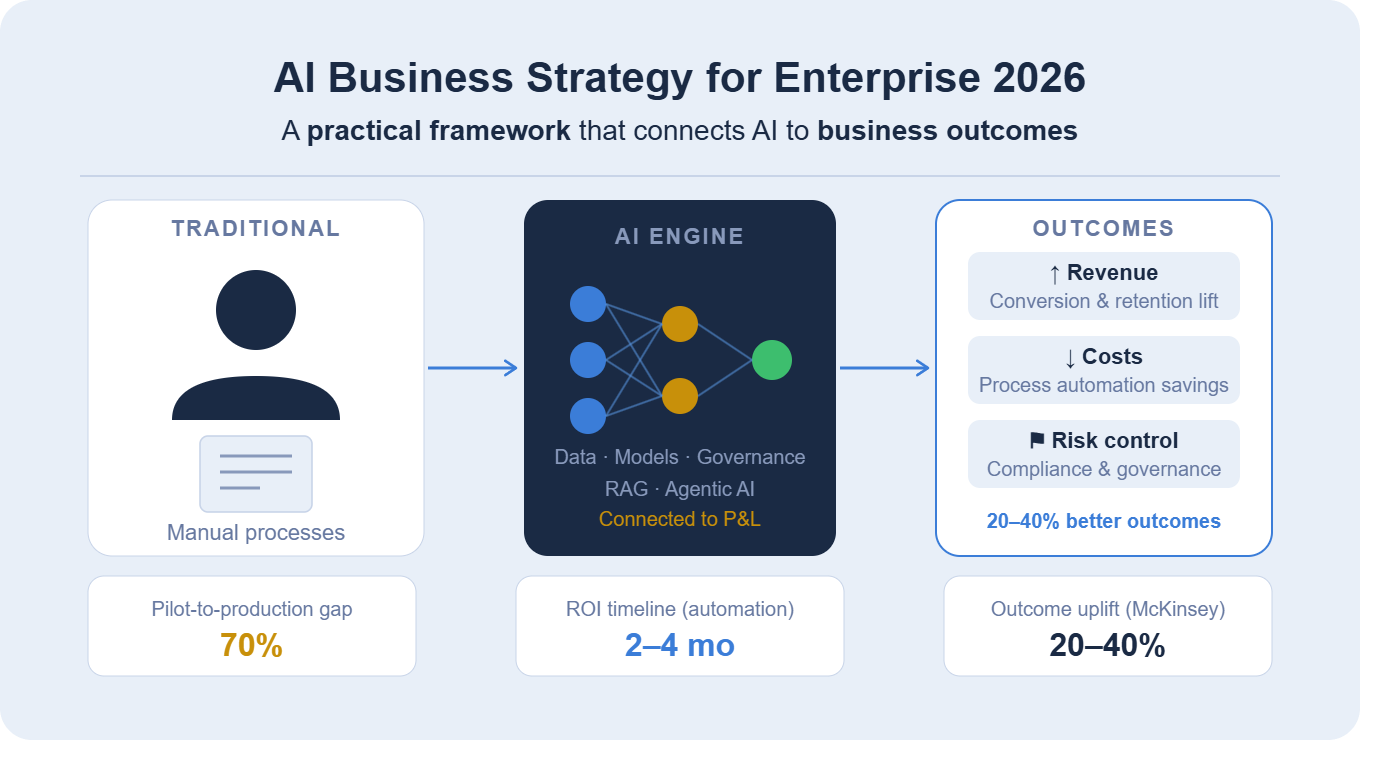
: Introduce brand-new items, services, or shipment designs (like digital subscriptions, markets, or self-service platforms) to produce new earnings streams.: Equip workers with digital tools, make it possible for remote collaboration, and invest in upskilling to support improvement from within.: Reinforce cybersecurity, enhance compliance, and design systems that are more adaptable and fault-tolerant.
Essential Technical Insights for Operating Innovation
: Usage KPIs connected to both company performance and technical impact.: Start with pilot programs or "fast wins" that can be scaled up when validated.: Designate ownership and responsibility to cross-functional leaders who can drive the change.: Be all set to pivot as technologies shift and client expectations evolve.
: might focus on patient access and remote monitoring. A digital improvement strategy isn't a list it's a dynamic method that links where your service is today with where it requires to go.
Digital transformation techniques are significantly shaped by the bigger shifts happening around us. Much of today's initiatives can be traced back to the COVID-19 pandemic, which fundamentally changed how individuals work, shop, and communicate. What started as a workaround during lockdowns is now deeply ingrained. There's still high demand for remote work, digital collaboration, and seamless online experiences, whether it's virtual health care, digital banking, or on-demand services.
Optimizing Digital Research Cycles for Agility
Businesses have actually had to rethink their operations and offerings to meet this brand-new truth: techniques should reflect that shift.
The most efficient change techniques now deal with AI and post-pandemic habits not as momentary patterns, however as long-term chauffeurs of development. Start by focusing on company effect, not innovation for innovation's sake.
Don't neglect individuals: support, training, and buy-in are what ultimately turn plans into development. Digital transformation takes place throughout every market, from retail and logistics to healthcare and federal government. To see this in action, let's explore 2 extremely different examples. As soon as an eCommerce store, Amazon has ended up being a tech giant covering retail, cloud computing, streaming, and smart home technology.
Managing Global Corporate R&D in Transition
Released in 2005, Amazon Prime reset customer expectations for online shopping, making quick, reputable, low-cost delivery the brand-new standard. Behind the scenes, Amazon has changed satisfaction with automation and AI, releasing its one-millionth warehouse robot in 2025. These robotics handle tasks like finding, recovering, and carrying inventory, enhancing effectiveness and making it possible for over 700,000 employees to move into higher-value roles.
Is Your Group Culture Killing Your Development Prospective?Uses robotic arms, cams, and sensing units to effectively load delivery vehicles. An AI-powered system that optimizes shipment paths and powers real-time customer tracking. Digital change isn't limited to private business. The UK's National Health Service (NHS) has actually made significant strides in improving client care. Historically, scheduling a GP consultation involved calling during a quick morning window a procedure that was infamously out-of-date and frustrated many patients.
Video assessments ended up being standard, decreasing the requirement for in-person sees while enhancing convenience for patients. Numerous medical facilities released "virtual wards," where clients with chronic or less acute conditions could be remotely monitored via wearable gadgets that track crucial signs. This enabled them to remain at home freeing up hospital beds for more immediate cases and assisting personnel focus resources more successfully.
Scaling Cloud-Native Smart Hubs for Tomorrow
Technologies develop. Consumer and staff member expectations shift. And organizations that stand still run the risk of becoming out-of-date. Whether you're enhancing operations, improving customer experiences, or improving your infrastructure, the objective stays the exact same: to adjust, improve, and remain appropriate. By remaining on top of industry patterns and the technologies reshaping them, you can construct a company that not only keeps up however also blazes a trail.

Latest Posts
R&D Centers Versus Traditional Enterprise Models
The Modern Guide for Enterprise Transformation Success
Leading Successful Innovation Labs