All Categories
Featured
Metrics need to be straight connected to goals. If the objective is to speed up sales, determining the number of meetings held makes little sense. Indicators should logically reflect why improvement was launched in the very first place. Below, we will take a look at 4 classifications of metrics that should remain in focus. They do not work in seclusion, but as a system revealing where genuine change has already taken place and where it has actually only just started.
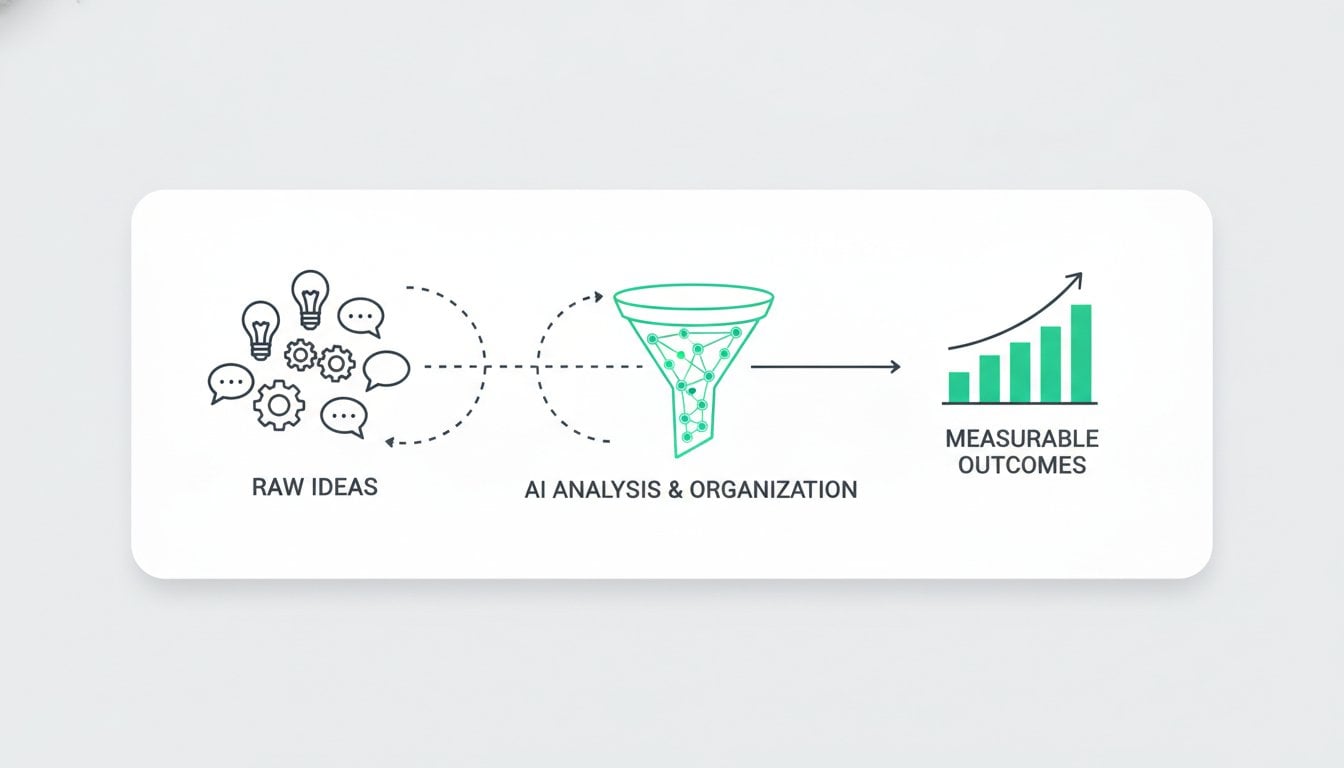
The variety of systems through which a single transaction passes (the less, the much better). These metrics demonstrate how close your operations are to an automated, fast, and scalable design. CAC (Customer Acquisition Cost) the cost of attracting a client. Average check or margin of the deal. ROI of transformational initiatives, for instance, for each $1 invested, $1.80 in results was accomplished.
Portion of repeat purchases or agreement renewals. Variety of support ask for common concerns (if it does not reduce, the changes are not working). Time needed to receive reportsNumber of integrated data sourcesThe proportion of decisions made based on information instead of assumptions. This can be measured through team studies.

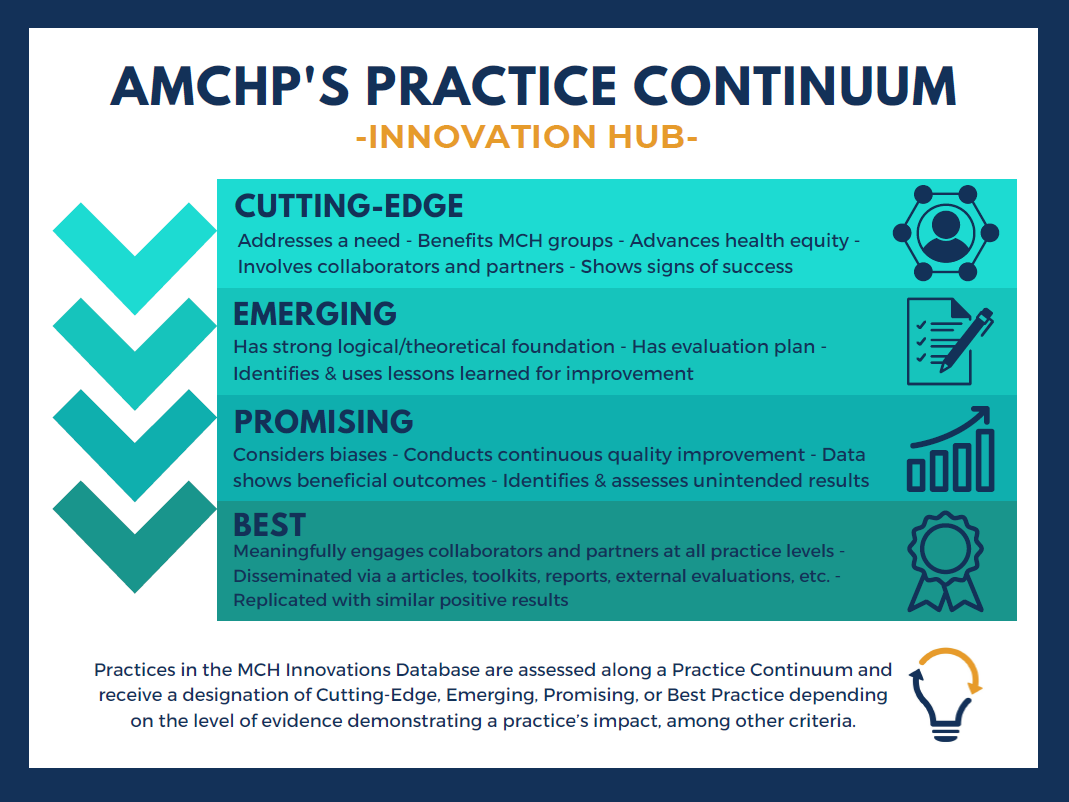
Successful improvement is when it becomes clear what works best, where, and why. In practice, everything is constantly more complex: budget plans are restricted, groups are overloaded, and innovations are not always simple to comprehend. That is why it is very important to look not only at theory, but also at real cases where companies from different industries managed to go through change and attain measurable outcomes.

Latest Posts
R&D Centers Versus Traditional Enterprise Models
The Modern Guide for Enterprise Transformation Success
Leading Successful Innovation Labs